



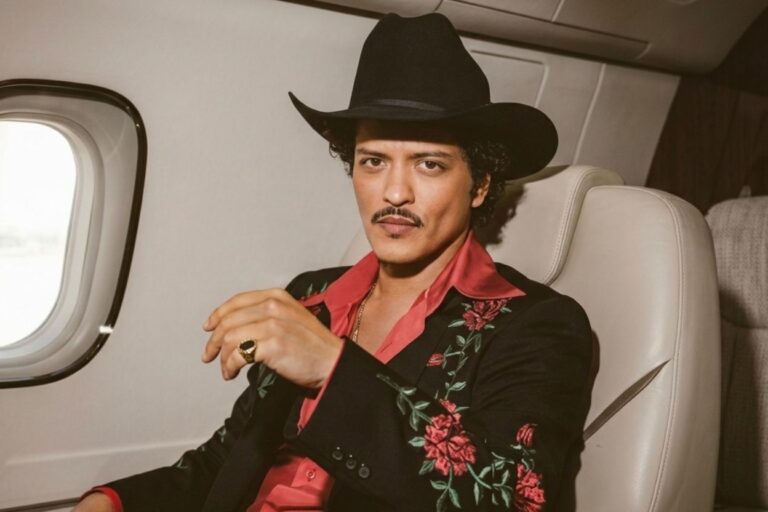
When music fans hear the captivating vocals, dynamic dance steps, and timeless grooves of Bruno Mars, they often ask: what is bruno mars ethnicity?
Born as Peter Gene Hernandez, the global superstar has conquered the international music industry with his chart-topping hits and legendary live concerts. However, understanding his artistic identity requires exploring his diverse ancestry, family roots, and vibrant Hawaiian upbringing.
Bruno Mars Ethnicity And Race: A Complete Overview of His Mixed Lineage
The rich musical textures in his records reflect his diverse family heritage. When examining bruno mars ethnicity and race, listeners discover a rich blend of global influences spanning the Philippines, Puerto Rico, Spain, Hungary, and Ukraine.
Understanding His Mixed Heritage
His family history spans several continents, giving him a distinct multiethnic background.
- Filipino Roots: His mother brought vibrant Southeast Asian traditions into their household.
- Puerto Rican Ancestry: His father contributed rhythmic Caribbean sounds and Latin music influences.
- Ashkenazi Jewish History: His paternal lineage includes Eastern European ancestors from Ukraine and Hungary.
- Spanish Lineage: Maternal records show ancestral ties to Spain alongside Filipino heritage.
Therefore, his identity represents a global tapestry. Consequently, his multiethnic roots shaped his open-minded approach to diverse musical genres.
How Culture Influenced His Identity
Growing up in a diverse family taught him to appreciate various musical traditions early in life. In addition, his parents celebrated both Latin rhythms and Asian customs at home.
As a result, young Peter Gene felt comfortable exploring different styles of art. Furthermore, his household environment encouraged creative expression without cultural boundaries.
Bruno Mars Ethnicity Parents: The Musical Family That Raised a Star
To understand his artistic success, one must examine bruno mars ethnicity parents. His mother and father provided the foundation for his vocal talent, instrumental mastery, and confident stage presence.
Bernadette San Pedro Bayot: His Filipino Mother
Bernadette San Pedro Bayot immigrated to Hawaii from the Philippines as a young girl. She was a gifted vocalist and a skilled hula dancer.
In Filipino culture, music plays a major role in family gatherings. For example, Bernadette sang regularly at home and encouraged all her children to perform.
In addition, she introduced her children to classic Motown records, soul harmony, and pop melodies. Consequently, her warm guidance helped shape her son’s early vocal technique and emotional delivery.
Peter Hernandez: His Puerto Rican and Jewish Father
Peter Hernandez grew up in Brooklyn, New York, surrounded by doo-wop, Latin jazz, salsa, and classic rock. His family background combined Puerto Rican heritage with Ashkenazi Jewish roots.
After moving to Honolulu, Peter Sr. worked as an energetic Latin percussionist. Furthermore, he organized live musical shows across Hawaii, blending distinct rhythms into high-energy entertainment.
Importantly, he gave his young son the nickname “Bruno” when the boy was just two years old. Indeed, the child reminded him of professional wrestler Bruno Sammartino because of his confident nature.
A Home Filled With Rhythm and Harmony
The Hernandez household functioned like a full-time music studio. For instance, family members practiced instruments daily in the living room.
As a result, young Bruno learned percussion, drums, guitar, and bass at an early age. Moreover, his father taught him how to keep precise rhythm during live performances.
Bruno Mars Ethnicity Age: Career Milestones, Birth Details, and Timeline
Many fans research bruno mars ethnicity age to map out his personal background, birth details, and key milestones in his life.
Key Biographical Facts
- Full Birth Name: Peter Gene Hernandez
- Date of Birth: October 8, 1985
- Birthplace: Honolulu, Hawaii, United States
- Age: 41 years old (as of 2026)
- Ancestry Mix: Filipino, Puerto Rican, Ashkenazi Jewish, Spanish
- Primary Occupations: Singer, songwriter, producer, musician, dancer
- Famous Stage Name: Created by combining his childhood nickname with “Mars”
Early Life as a Child Prodigy in Waikiki
Growing up in Waikiki, Hawaii, gave him early exposure to live audiences. For instance, his family ran a popular review band called The Love Notes.
By age four, he joined the group as an Elvis Presley impersonator. Consequently, local crowds quickly adored the young child for his impressive vocal talent and confident dance moves.
Furthermore, he performed multiple shows every week throughout his childhood. Therefore, he developed professional discipline long before moving to Los Angeles to pursue a mainstream recording career.
Adapting to the Music Industry in Los Angeles
After graduating from high school at age 17, he relocated to Los Angeles in 2003. However, his initial experience in the music business presented significant challenges.
Overcoming Industry Categorization
When executive producers read his birth surname, Hernandez, they frequently tried to place him in a single category. For example, record labels urged him to record Latin pop exclusively, even though he wanted to create pop, R&B, soul, and funk. Therefore, this initial stereotype restricted his creative freedom and pushed him toward a narrow musical direction.
Transitioning to a Global Stage Name
To avoid immediate assumptions based on his surname, he created a memorable stage name. Specifically, he kept “Bruno,” his childhood nickname, and selected “Mars” because he felt his artistic energy reached beyond standard limits. Consequently, adopting this new stage name gave him total creative control to perform pop, R&B, funk, and rock without industry restrictions.
Establishing The Smeezingtons
Before succeeding as a solo singer, he co-founded a production team called The Smeezingtons. Together, they wrote and produced major hits for various international artists.
For example, they composed chart-topping songs for B.o.B, Flo Rida, CeeLo Green, and K’naan. Consequently, these writing credits earned him respect among veteran producers and label executives.
Eventually, his breakout features on “Nothin’ On You” and “Billionaire” launched his career as a lead vocal artist.
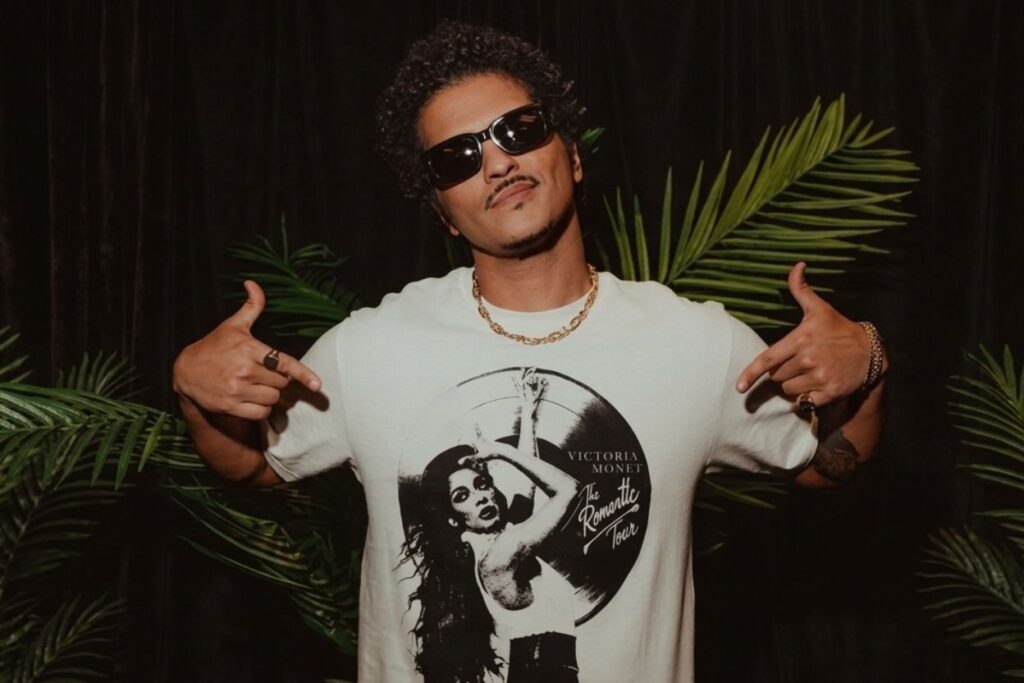
How His Multiethnic Background Created His Signature Sound
His signature sound draws directly from the musical genres he learned during his youth in Hawaii. Furthermore, his multiethnic family traditions enriched his song arrangements.
R&B, Doo-Wop, and Vocal Harmonies
His debut album, Doo-Wops & Hooligans, highlighted classic vocal harmonies inspired by 1950s doo-wop groups. In addition, his mother’s love for Motown influenced his melodic writing style.
Therefore, songs like “Just The Way You Are” and “Grenade” resonated with global audiences due to their timeless emotional lyrics and clear melodies.
Funk, Disco, and Latin Rhythm
His later work, including 24K Magic and his Silk Sonic project with Anderson .Paak, emphasized vintage funk and disco grooves. For example, he uses heavy basslines, horn sections, and syncopated drumming patterns.
These rhythmic arrangements reflect his father’s background as a Latin percussionist. As a result, his concerts feature live brass instruments and dynamic choreography.
Reggae and Island Elements
In addition, local Hawaiian music played an important role during his childhood. Island reggae, often called “Jawaiian” music, filled the Hawaiian radio stations throughout the 1990s.
Consequently, tracks like “Show Me” and “The Lazy Song” feature relaxed offbeat rhythms and sunny melodies that pay homage to his upbringing in Honolulu.
Cultural Impact Across Global Communities
Because of his unique background, he connects with diverse cultural groups across the world. In addition, his international appeal has made him a celebrated icon in several countries.
Pride in the Philippines
Filipino fans proudly embrace him as one of their most successful international stars. For example, his sold-out concerts in Manila draw massive crowds of devoted followers.
In addition, he has supported local disaster relief efforts in the Philippines during times of natural crisis. Thus, his strong relationship with his mother’s homeland remains vibrant and active.
Resonant Beats in Puerto Rico and Latin America
Latin music enthusiasts celebrate his rhythmic style and percussion mastery. Although he sings primarily in English, his infectious grooves reflect his father’s Puerto Rican heritage.
Furthermore, he frequently incorporates Latin percussion instruments, such as congas and timbales, into his live arrangements.
Hometown Hero Status in Hawaii
Despite achieving international fame, he maintains deep ties to his home state of Hawaii. For instance, he frequently provides financial support to local Hawaiian music education programs.
Moreover, his success inspires young performers from the islands to pursue their artistic dreams on the global stage.
Key Achievements and Musical Legacy
Over his multi-decade career, he has earned numerous awards and shattered multiple industry records.
Grammy Awards and Chart Success
He has won over 15 Grammy Awards across several major categories, including Album of the Year, Record of the Year, and Song of the Year.
Furthermore, he became one of the few artists in history to achieve multiple Diamond-certified singles by the Recording Industry Association of America (RIAA).
Unforgettable Super Bowl Halftime Shows
In 2014, he headlined the Super Bowl XLVIII Halftime Show, delivering an energetic performance that set viewership records. Later, in 2016, he returned alongside Beyoncé and Coldplay for another historic halftime show.
These performances solidified his reputation as one of the finest live entertainers of his generation.
Summary of His Unique Heritage
In conclusion, understanding his story requires looking past simple labels. His background blends Filipino, Puerto Rican, Ashkenazi Jewish, and Spanish roots into a unique cultural identity.
Through his mother’s guidance and his father’s rhythmic passion, he absorbed timeless musical lessons from an early age. Combined with his upbringing in Hawaii, these influences enabled him to create a dynamic, universally loved musical style.
Today, his remarkable journey proves that authentic music can transcend borders and bring diverse listeners together around the world.
Frequently Asked Questions
What is Bruno Mars’ real birth name?
His full birth name is Peter Gene Hernandez. He received the nickname “Bruno” from his father during his early childhood.
Where was Bruno Mars born?
He was born and raised in Honolulu, Hawaii, in the neighborhood of Waikiki.
Does Bruno Mars speak Tagalog or Spanish fluently?
While he understands aspects of his family heritage, he grew up speaking English as his primary language in Hawaii.
What instruments does Bruno Mars play?
He is an accomplished multi-instrumentalist who plays drums, guitar, bass, keyboards, and various percussion instruments.

1 Comment
Pingback: Simon Kurs: Age, Wikipedia, Children, Net Worth & Family