



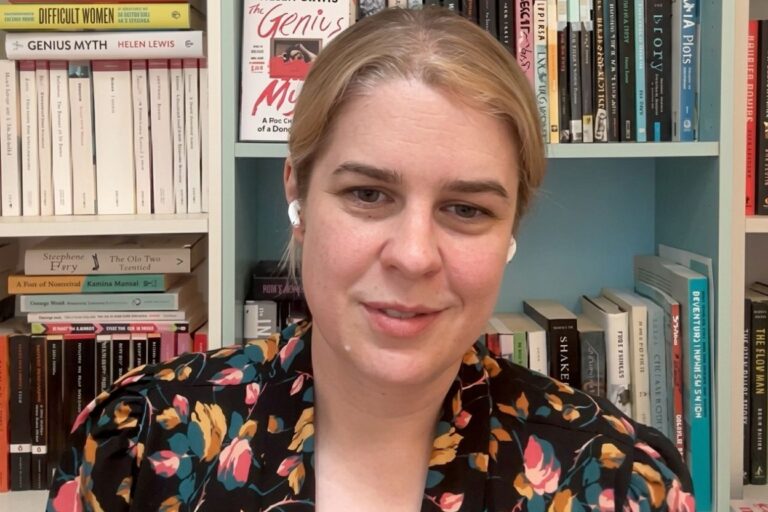
Modern media thrives on sharp commentary, fearless debates, and deep cultural analysis. Within this dynamic space, helen lewis commands immense respect. Her voice resonates across print journalism, broadcasting, and digital platforms. Readers recognize her ability to dissect complex social issues with absolute clarity. Furthermore, she refuses to shy away from controversial topics. Consequently, her career offers a fascinating lens into how modern public figures shape public opinion.
Early Roots and Background
Born in Worcester in 1983, she developed an early passion for reading and critical thinking. Her childhood environment encouraged academic curiosity. Later, she attended St Peter’s College at Oxford University. There, she studied English literature, refining her analytical capabilities. This rigorous academic foundation shaped her future professional trajectory. Indeed, every article she writes reflects this disciplined approach to text and context.
Academic Foundations
Beyond her undergraduate studies, she pursued further educational milestones. She completed a Master of Arts through the Open University. Additionally, Oxford University appointed her as an honorary writing fellow. These academic credentials reinforced her status as a serious intellectual commentator. Therefore, her perspectives carry substantial weight in both academic and journalistic circles.
The Rise of a Versatile Writer
Journalism demands adaptability, resilience, and sharp editing skills. Early in her career, she mastered these traits through intense newsroom training. She completed a postgraduate diploma in newspaper journalism at City University, London. Afterward, she joined a competitive training program as a sub-editor. Working behind the scenes taught her invaluable lessons about accuracy, pacing, and narrative structure.
Inside The New Statesman
Her transition into feature writing eventually led her to the New Statesman. During her tenure, she climbed from assistant editor to deputy editor. Under her guidance, the magazine covered major political shifts with intellectual vigor. She commissioned pieces that challenged conventional political wisdom. Moreover, her own columns tackled feminism, modern politics, and cultural shifts. Thus, her time at the publication cemented her reputation as a formidable print journalist.
Transatlantic Writing for The Atlantic
In 2019, she expanded her reach by joining The Atlantic as a staff writer. Writing for a global audience allowed her to explore American politics from a unique vantage point. Her essays often decode cultural phenomena with dry British wit. Readers appreciate her balanced yet uncompromising analysis of modern movements. Consequently, her international readership grew exponentially over the following years.
High-Stakes Public Interviews
Interviews often reveal the true mettle of a media commentator. Few moments defined her public profile quite like her major video encounters. She approaches high-profile subjects with meticulous preparation and zero intimidation. Instead of offering soft questions, she presses guests on their core arguments. This fearless methodology generates massive public engagement and intense debate.
The Clash with Jordan Peterson
One standout moment involved her conversation with the prominent Canadian psychologist. The resulting video featuring helen lewis jordan peterson quickly went viral across digital platforms. Millions of viewers watched the tense, articulate exchange. She questioned him closely on hierarchies, gender dynamics, and power structures. Neither participant backed down from their core worldview. Consequently, media analysts still study this interview as a masterclass in journalistic friction.
Analyzing Interview Techniques
Critics often praise her ability to maintain composure under intense pressure. She listens carefully before delivering precise, probing follow-up questions. Furthermore, she avoids personal attacks, focusing entirely on logical consistency. This disciplined approach ensures that her interviews remain substantive rather than sensational. Therefore, public figures approach conversations with her knowing they must defend their ideas rigorously.
Satirical Media and Investigative Work
Satire holds immense power within British media culture. It punctures pomposity and exposes institutional hypocrisy. Her alignment with this tradition highlights her commitment to accountability. She believes that no powerful entity should escape scrutiny. Hence, her investigative efforts target corporate misconduct and political failure alike.
Contributions to Private Eye
Her association with the iconic fortnightly magazine represents a core pillar of her career. Work as part of helen lewis private eye initiatives showcases her dedication to old-school reporting. She values anonymous whistleblowers, strict fact-checking, and deep investigative dives. Additionally, she co-presents the magazine’s official podcast alongside prominent satirists. Listeners tune in weekly to hear sharp breakdowns of hidden news stories.
Exposing Institutional Power
Institutional decay requires persistent watchdog journalism. She frequently highlights how bureaucracy shields incompetence. Furthermore, she supports grassroots reporters through her involvement with investigative journalism awards. Her writing reminds readers that democracy relies on transparent, fearless reporting. Thus, her satirical contributions serve a vital public function.
Digital Presence and Public Debates
The modern internet transforms how journalists interact with audiences. Social media platforms amplify voices while simultaneously encouraging outrage. Navigating this ecosystem requires thick skin and strategic communication. She uses digital tools actively to test arguments and share insights. However, this high visibility also attracts coordinated online backlash.
Navigating Social Media Outrage
Active engagement defines the presence of helen lewis twitter commentary. She shares historical facts, cultural observations, and sharp rejoinders daily. Yet, her heterodox views on identity politics and digital culture often spark fierce online storms. Critics and supporters clash beneath her posts regularly. Despite this hostility, she refuses to abandon online discourse entirely.
Public Discourse Dynamics
Digital networks often reward moral grandstanding over nuanced debate. She frequently critiques these toxic online incentives in her essays. By analyzing the mechanics of outrage from the inside, she illuminates modern psychological trends. Moreover, her resilience demonstrates that independent thinkers can survive digital mobs. Consequently, her online activity serves as a living laboratory for modern communication.
Literary Ventures and Best-Selling Books
Short-form articles provide immediate impact, but books allow for deep historical exploration. She successfully transitioned into a celebrated author with major non-fiction releases. Her books explore complex cultural histories with accessible prose. Both works achieved critical acclaim and commercial success.
Difficult Women Explored
Her bestselling book, Difficult Women: A History of Feminism in 11 Fights, redefined how readers view feminist history. Instead of offering sanitized hagiographies, she spotlighted disruptive, unlovable trailblazers. She argued that true social progress often requires friction and disobedience. Readers embraced this honest, witty examination of historical activism. Therefore, the book remains a staple on reading lists worldwide.
The Genius Myth Breakdown
Following her initial literary success, she tackled society’s obsession with individual brilliance. Her second major book examined the cultural excuses made for toxic behavior. She questioned why exceptional talent often grants immunity from basic ethics. Critics praised the work as a timely dismantling of modern tech-bro mythology. Thus, she cemented her status as a leading cultural critic.
Broadcasting and Audio Documentaries
Audio storytelling offers a unique intimacy that print cannot replicate. Her distinct voice and sharp intellect translate seamlessly into radio and podcasts. BBC listeners tune in regularly for her insightful documentary series. These audio projects allow her to explore complex themes over multiple episodes.
Radio 4 and BBC Sounds
Public service broadcasting relies on engaging, intelligent presenters. She frequently collaborates with BBC Radio 4 on various cultural programs. Whether discussing historical conflicts or modern belief systems, her delivery remains captivating. Furthermore, she co-hosts satirical television panels with ease. Viewers enjoy her deadpan delivery and quick wit on shows like Have I Got News For You.
Popular Podcast Projects
Podcasting expanded her audience beyond traditional broadcast schedules. Her investigative series exploring modern internet gurus captivated listeners globally. She examined how digital influencers replace traditional religious structures. Additionally, her interview podcast showcases deep, contemplative conversations with remarkable thinkers. Consequently, her audio catalog continues to attract thousands of new fans daily.
Conclusion and Future Outlook
Looking ahead, the media landscape will undoubtedly face rapid technological and cultural shifts. Independent-minded commentators will remain crucial for navigating complex societal debates. Her journey from regional print journalism to global prominence demonstrates remarkable professional evolution. Whether through her piercing essays, investigative reporting, or engaging audio series, helen lewis journalist continues to challenge orthodoxies. Ultimately, her fearless dedication to truth-seeking ensures her enduring relevance in modern intellectual life.

1 Comment
Pingback: Tesco Whoosh: What Is Tesco Whoosh Delivery, Costs & Discounts