



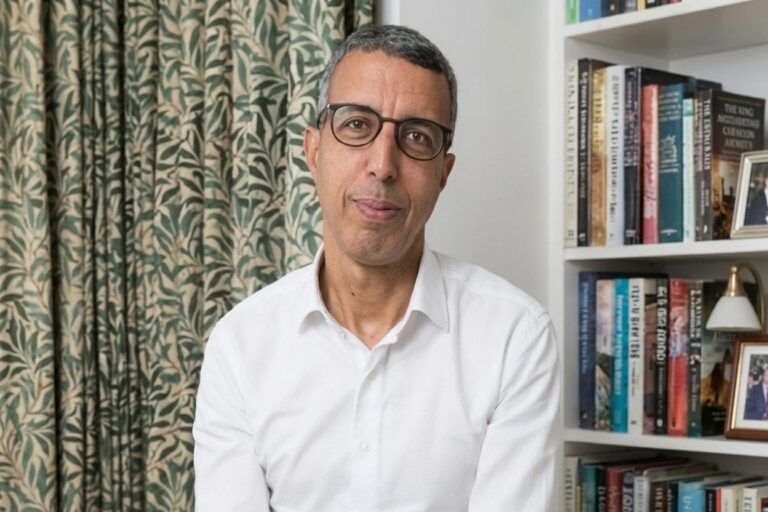
In the fast-paced world of British media, few figures command as much respect as kamal ahmed. He has navigated the complex landscapes of print, television, and digital platforms with remarkable skill. Throughout his expansive career, he has led some of the most prestigious organizations in the UK. Many followers frequently search for details regarding his life, his career transitions, and his personal background. Consequently, this article explores his journey, providing a comprehensive look at his professional achievements and his impact on modern journalism.
The Formative Years and Early Career
A Background in Journalism
Born to a Sudanese father and an English mother, he grew up with a unique, multicultural perspective. This diverse upbringing undoubtedly shaped his worldview and his approach to reporting. After completing his degree in Political Studies at the University of Leeds, he did not hesitate to pursue his passion for news. He started his career in the local press, which is where he learned the essential fundamentals of the trade.
Establishing Professional Roots
His early work demonstrated a keen ability to uncover the truth. Furthermore, he developed a sharp eye for detail while working at Scotland on Sunday in 1992. These early experiences provided the grit required for his future successes. Eventually, he moved to The Guardian, where he served as the Royal Correspondent and Media Editor. These roles were critical, as they forced him to engage with the highest levels of power. By consistently delivering high-quality content, he built a reputation for reliability and deep analytical insight.
The BBC Years: A Defining Era
Rising Through the Ranks
When considering his professional history, the kamal ahmed bbc chapter stands out as a significant period. He joined the organization as the Business Editor in 2014. During this time, the media landscape was undergoing a massive transformation. Digital disruption was everywhere, and traditional broadcasters faced immense pressure to adapt. He met these challenges head-on by modernizing business reporting.
Editorial Leadership at the BBC
Subsequently, he took on the role of Economics Editor in 2016. In this capacity, he explained complex economic policies to the general public. His ability to distill difficult concepts into understandable narratives made him a household name. Later, he became the Editorial Director of BBC News. This position placed him at the heart of the national conversation. He managed editorial standards during a period of intense political change. Consequently, his leadership ensured that the BBC maintained its commitment to impartiality and accuracy.
Print and Digital Innovation
Transition to The Telegraph
Following his time in broadcasting, he transitioned back to print and digital media. Many readers recall his tenure at the Telegraph Media Group. His arrival was significant. As the kamal ahmed telegraph director of audio, he focused on expanding the company’s digital footprint. He recognized that audio content was the future of news consumption.
The Rise of Digital Audio
He did not just oversee the strategy; he actively participated in it. By co-hosting The Daily T podcast, he engaged directly with the audience. This move demonstrated his willingness to innovate. He utilized his experience to bridge the gap between traditional broadsheet journalism and modern podcasting. Therefore, he successfully helped the outlet reach a younger, more tech-savvy demographic that valued convenience and accessibility.
Personal Life and Privacy
Exploring Personal Relationships
Public curiosity regarding the private lives of media figures is common. Many people express interest in the kamal ahmed elizabeth day wedding. The two journalists were married in 2011, forming a high-profile intellectual partnership. They were both prominent figures within the British media circuit. However, it is important to respect that their marriage ended in divorce. Both individuals have moved on, continuing their successful careers in writing and broadcasting.
Understanding Family Dynamics
When discussing his family, questions about kamal ahmed children frequently arise. Despite his public profile, he maintains a strict boundary between his work and his home life. He rarely discusses his children in interviews or on public platforms. This decision reflects his desire to protect his family from the intense scrutiny of the media spotlight. Consequently, there is very little public information available on this topic. He believes that his professional output should be the primary focus of public attention.
Financial Standing and Public Perception
Decoding the Wealth Question
In the digital age, financial curiosity is natural. Many search queries revolve around kamal ahmed net worth. It is important to note that reliable financial figures are not publicly available. Speculative websites often publish inaccurate estimates. Such figures usually conflate his profile with other figures in the business world.
Why Financial Data Remains Private
High-profile journalists rarely disclose their personal finances. Furthermore, wealth is not just about income. It includes investments, assets, and private holdings that are not subject to public reporting. Instead of focusing on his net worth, it is more accurate to measure his success through his influence. He has served on prestigious boards and led major organizations. These achievements provide a clearer picture of his stature within the industry.
The Entrepreneurial Shift
Co-founding The News Movement
Innovation drives his current professional philosophy. He co-founded The News Movement, which focuses on social-first storytelling. He realized that younger generations were losing trust in legacy media. Consequently, he aimed to build a platform that delivers verified, high-quality information through social media channels. This project represents a departure from the traditional paywall model.
Shaping Future Journalism
He believes that news must meet the audience where they are. By leveraging platforms like TikTok, Instagram, and YouTube, he aims to combat the spread of misinformation. This venture is not just a business; it is a mission to restore faith in the Fourth Estate. Moreover, his work here highlights his adaptability. He is willing to abandon outdated methods to ensure the survival of journalistic integrity.
Executive Roles and Global Perspective
The Fortune Connection
As of 2026, he continues to hold significant influence as the Executive Editorial Director for Fortune in the UK and Europe. This role allows him to operate on a global stage. He focuses on the intersection of global business, policy, and economic trends. His “Letter from London” column provides insights into the city’s role as a financial hub.
A Voice of Authority
His work at Fortune underscores his ability to analyze international markets. He interprets complex economic data for a global audience. Furthermore, he connects the dots between British domestic policy and international trade. This ability to synthesize information is what makes him a respected voice. He does not simply report the news; he provides the necessary context for understanding it.
The Editorial Philosophy
Commitment to Written Excellence
Despite his success in audio and video, he remains a writer at heart. His editorial style is characterized by precision and clarity. He avoids unnecessary jargon, preferring to write in a way that is accessible to all readers. This approach is rooted in his early days in the local press. He understands that the reader is the most important part of the equation.
Maintaining Impartiality
In an era of polarized media, he maintains a balanced perspective. He consistently advocates for ethical standards in reporting. By mentoring young journalists, he ensures that these values are passed down. Consequently, his legacy is not just in his own work, but in the standards he has set for the industry as a whole.
The Evolution of Media Consumption
Adaptability in a Digital World
The media landscape changes rapidly every single year. He has successfully navigated these changes by staying ahead of the curve. He moved from print to TV, then to digital, and now to social-first platforms. Most importantly, he does not fear change. He embraces new technology as a tool for storytelling.
Bridging the Gap
Many older readers appreciate his traditional roots. Simultaneously, younger readers value his digital-first approach. By serving both audiences, he occupies a unique space in British media. He is a bridge between the past and the future. This dual appeal is a testament to his versatility and his deep understanding of how audiences consume information.
Legacy and Impact
A Lasting Influence
His impact on British media is profound. He has challenged the status quo at every organization he has led. He has advocated for diversity in newsrooms and accuracy in reporting. Furthermore, he has consistently pushed for digital innovation. These efforts have paved the way for a more dynamic and inclusive media environment.
Final Thoughts on a Career
Looking back at his career, it is clear that he is a visionary. He did not settle for success in one medium. Instead, he sought new challenges. From the early days in Leeds to his current global executive roles, he has maintained a consistent focus on quality. He remains a pivotal figure in the UK media landscape. His work continues to shape how we understand the world around us.
Conclusion
The career of kamal ahmed is a roadmap of the evolution of modern news. He started with the basics of journalism and ascended to the highest levels of global media leadership. Whether through his work at the BBC, his innovative audio strategy at the Telegraph, or his current entrepreneurial ventures, he has always stayed relevant. He has balanced professional ambition with personal privacy, never letting the public glare distract from his goals. As the media landscape continues to evolve, he remains a key figure to watch. His insights, his leadership, and his dedication to the craft of journalism ensure that his influence will be felt for many years to come. Ultimately, his story is about the enduring power of high-quality storytelling in an ever-changing world.

1 Comment
Pingback: Instablu Strategy Guide: Complete Social Media Growth Insights