

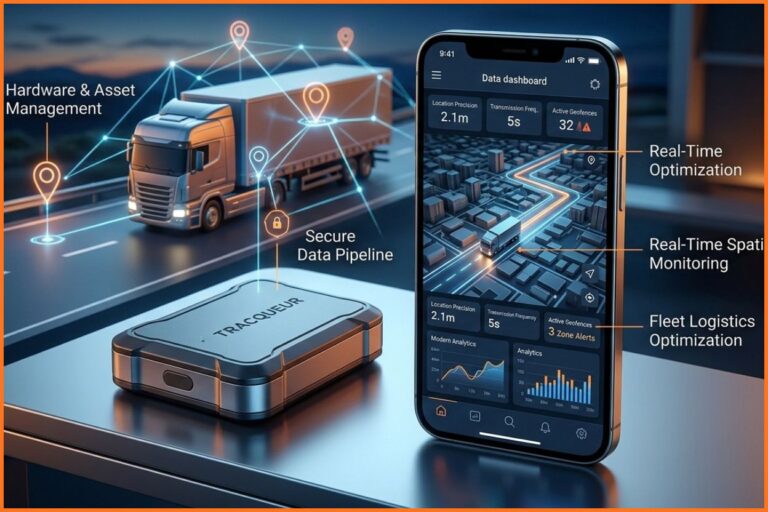
Tracqueur technology transforms how people monitor assets and optimize performance. Modern organizations rely on a tracqueur to maintain constant control over valuable hardware, dynamic workflows, and critical data streams.
Understanding a tracqueur helps you streamline daily logistics, protect expensive equipment, and maximize team productivity. Modern tracking mechanisms offer unprecedented spatial awareness through advanced sensors and real-time cloud interfaces.
What Is a Tracqueur?
A tracqueur is a dedicated software or hardware instrument designed to locate, log, and analyze target parameters continuously.
The core word tracqueur originates from traditional monitoring frameworks, yet modern technology expands its functionality across digital and physical domains.
Fundamental Capabilities
Every tracqueur relies on precise data collection mechanisms to keep users informed.
- Real-time spatial monitoring: The system pinpoints exact positions using satellite positioning and cellular network triangulation.
- Continuous metrics logging: Advanced sensors capture speed, ambient temperature, elevation, and sudden physical movements accurately.
- Automated reporting alerts: Built-in software triggers instant notifications whenever an asset breaches safe designated boundaries.
Technical Architecture of a Tracqueur
A tracqueur functions by connecting physical hardware components directly to dynamic cloud software dashboards.
Understanding this architecture helps network administrators select the right hardware setup for complex field operations.
Sensor Layer Infrastructure
The initial hardware layer captures raw physical data directly from the surrounding environment.
Microcontroller Units
The microcontroller coordinates sensor readings, manages internal device memory, and controls power consumption efficiently.
Antenna Enclosures
Compact antenna arrays capture global positioning signals while maintaining stable cellular connections across standard frequencies.
Signal Transmission Channels
Data transmission must remain stable, fast, and secure under diverse field conditions.
Signal Flow Pipeline
- Sensor and Device Layer: Captures physical raw coordinates via GPS, BLE, or Cellular chips.
- Gateway and Server Layer: Processes raw telemetry through cloud ingestion pipelines.
- User Dashboard Layer: Displays real-time location mapping, alert triggers, and deep analytics.
Cellular Networks
Most long-range tracking hardware relies on modern cellular bands to push small data packets reliably.
Satellite Networks
Remote operations outside standard cellular coverage rely on satellite connections to maintain continuous location updates.
Primary Categories of Tracqueur Hardware
Selecting the ideal tracqueur deployment depends on your specific operational environment and core data collection requirements.
Primary Categories of Tracqueur Deployment
1. Asset and Vehicle Hardware
- OBD-II Interface Units: These units plug straight into standard vehicle diagnostic ports to read diagnostic trouble codes alongside positioning coordinates.
- Hardwired Chassis Monitors: Permanent hardware monitors hook directly into internal vehicle batteries to support continuous anti-theft monitoring programs.
2. Workforce and Productivity
- Automatic Time Logging: Background software records active work windows automatically, eliminating manual time sheets and reducing administrative errors significantly.
- Project Progress Analytics: Managers review visual activity graphs to allocate internal resources, streamline workflows, and prevent team burnout effectively.
3. Digital and Music Trackers
- Pattern Editors: Musicians arrange note sequences, sample pitches, and volume dynamics vertically rather than across conventional horizontal timelines.
- Channel Effect Parameters: Producers apply precise control commands per step to craft retro chip-tune music or complex modular sound patterns seamlessly.
Personal and Wearable Units
Compact tracking hardware helps individuals monitor health metrics, maintain personal safety, and secure personal belongings effortlessly.
Satellite Messengers
Outdoor enthusiasts utilize standalone satellite hardware to send emergency location signals outside standard mobile coverage areas.
Bluetooth Beacon Tags
Small radio tags attach easily to keys or luggage to prevent accidental loss within localized areas.
Digital Software Applications of a Tracqueur
Physical hardware represents only one side of modern tracking systems. Software solutions transform complex sensor streams into clear actionable insights.
Digital Audio Workstations
In professional audio design, a vertical sound tracker (or tracqueur) structures digital audio composition along a clear vertical grid.
Pattern Editors
Musicians arrange note sequences, sample pitches, and volume dynamics vertically rather than across conventional horizontal timelines.
Channel Effect Parameters
Producers apply precise control commands per step to craft retro chip-tune music or complex modular sound patterns seamlessly.
Productivity Monitoring Platforms
Digital tracking applications allow modern distributed teams to record working hours, analyze application usage, and simplify payroll tasks.
Automatic Time Logging
Background software records active work windows automatically, eliminating manual time sheets and reducing administrative errors significantly.
Project Progress Analytics
Managers review visual activity graphs to allocate internal resources, streamline workflows, and prevent team burnout effectively.
Evaluating Core Tracqueur Performance Factors
Choosing a high-quality tracqueur requires assessing key operational metrics to match your specific performance expectations.
| Performance Metric | Industry Benchmark | Core Operational Benefit |
| Location Precision | Under 2.5 meters | Guarantees accurate physical asset recovery |
| Transmission Frequency | 1 to 30 Seconds | Delivers smooth real-time map updates |
| Battery Lifespan | Up to 5 Years | Minimizes hardware maintenance schedules |
| Data Encryption | AES-256 Standard | Protects sensitive location logs from unauthorized access |
Battery Management Protocols
Power consumption determines how long remote tracking devices operate without requiring direct electrical maintenance.
Intelligent Sleep Modes
Integrated motion sensors place the tracking hardware into low-power sleep states whenever movement stops completely.
Adaptive Ping Interval
Advanced software adjusts signal reporting frequencies based on current battery levels and historical movement patterns.
Security and Data Protection
Transmitting continuous position coordinates requires robust digital protection to prevent unauthorized network eavesdropping.
Hardware Level Encryption
Modern devices encrypt location coordinates at the chip level before pushing data packets across public networks.
Cloud Access Controls
Secure cloud dashboards enforce strict role-based access permissions to protect sensitive fleet movement records effectively.
Step-by-Step Tracqueur Configuration Guide
Properly installing a tracqueur system ensures optimal network reliability, precise coordinates, and uninterrupted reporting services.
Phase 1: Hardware Activation and Setup
Initial setup steps establish proper baseline communication between hardware components and central cloud services.
- Insert active network SIM: Install a compatible cellular card into the hardware slot to enable continuous wireless connectivity.
- Connect primary power source: Supply reliable electrical power to charge the internal battery and initialize internal sensors fully.
- Verify satellite connection: Position the hardware unit outdoors until status indicator lights confirm a clear satellite lock.
Phase 2: System Network Integration
Connecting hardware to management software establishes a reliable telemetry pipeline.
Operational Workflow Steps
- Activate Hardware: Initialize power sources and establish satellite connectivity.
- Configure APN Server: Set up target IP endpoints and routing addresses.
- Define Geofence Zones: Map spatial boundaries and active alert limits.
- Conduct Field Tests: Verify signal accuracy and live map updating speeds.
Detailed Execution Rules
- Program server endpoints: Configure target IP addresses and port numbers using standard terminal software tools.
- Establish custom geofences: Draw virtual geographical perimeters on your interactive management dashboard to track movements accurately.
- Set automated alerts: Customize instant notifications for unauthorized boundary exits, low battery warnings, or rapid acceleration.
- Conduct field validation: Test the hardware across various environments to confirm fast ping rates and precise mapping outputs.
Ethical Standards and Legal Compliance
Deploying any tracking mechanism requires strict compliance with international privacy laws and local regulatory frameworks.
User Consent Directives
Tracking individuals or personal property without explicit authorization violates fundamental privacy regulations worldwide.
- Explicit notification policies: Employers must inform workers clearly regarding active workplace productivity tracking programs.
- Opt-out operational choices: Software platforms should provide clear options for users to pause tracking during personal time off.
Data Retention Guidelines
Storing continuous location histories creates unnecessary security risks if access controls and purge schedules remain unmanaged.
- Automatic log purging: System administrators should schedule automated deletion of historical telemetry data after mandatory retention periods.
- Strict access permissions: Limit access to sensitive movement logs exclusively to authorized administrative personnel.
Real-World Applications and Strategic Advantages
Integrating a reliable tracqueur solution delivers immediate operational benefits across diverse modern industries.
Fleet Logistics Optimization
Transportation companies analyze location histories to discover optimal delivery routes, reduce fuel burn, and lower operational overhead.
Heavy Construction Equipment Protection
Site managers protect high-value machinery by setting automatic security alerts that trigger if equipment moves outside work zones after hours.
Personal Productivity Management
Freelancers use digital tracking tools to measure task durations accurately, build transparent client invoices, and improve project planning.
Future Innovations in Tracqueur Systems
Technological advancements continue driving tracking capabilities toward greater precision, lower power consumption, and smarter automation.
Artificial Intelligence Integration
Machine learning models analyze movement data continuously to predict mechanical maintenance needs before hardware failures occur.
Satellite Internet Expansion
Expanding satellite constellations will soon allow every modern tracqueur to maintain uninterrupted connectivity anywhere on Earth.
Micro Hardware Miniaturization
Emerging microchips will enable tiny tracking devices that operate for years on minimal ambient energy harvested directly from the environment.
Choosing the ideal tracqueur system requires evaluating your specific monitoring needs against signal precision, hardware durability, and software features. Deploying a well-configured solution guarantees total visibility, strong data protection, and long-term operational peace of mind.
