



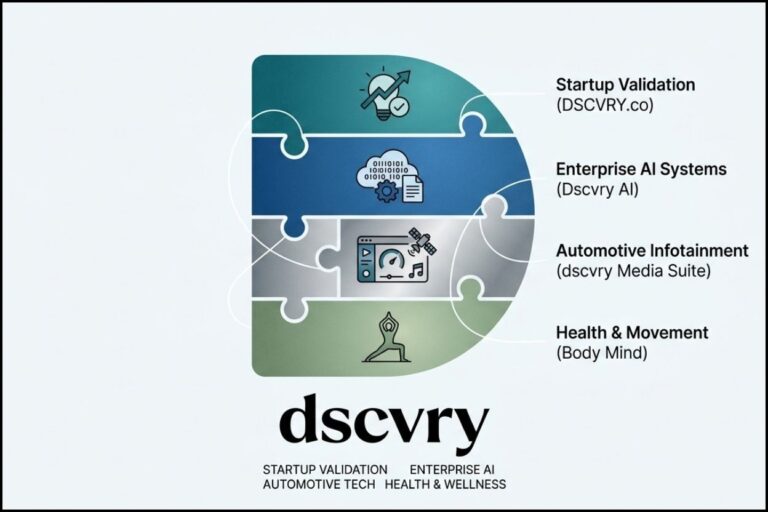
Dscvry is a strategic abbreviation for the word “discovery.” Across tech platforms, software tools, and wellness frameworks, this term serves as a core identifier for systems that focus on finding solutions, validating concepts, or uncovering deep insights.
Whether you are an entrepreneur trying to validate a new venture, an engineer deploying enterprise automation, or an individual searching for holistic physical health, dscvry represents a distinct methodology centered on systematic growth and analysis.
1. The Multi-Industry Scope of Modern Discovery Systems
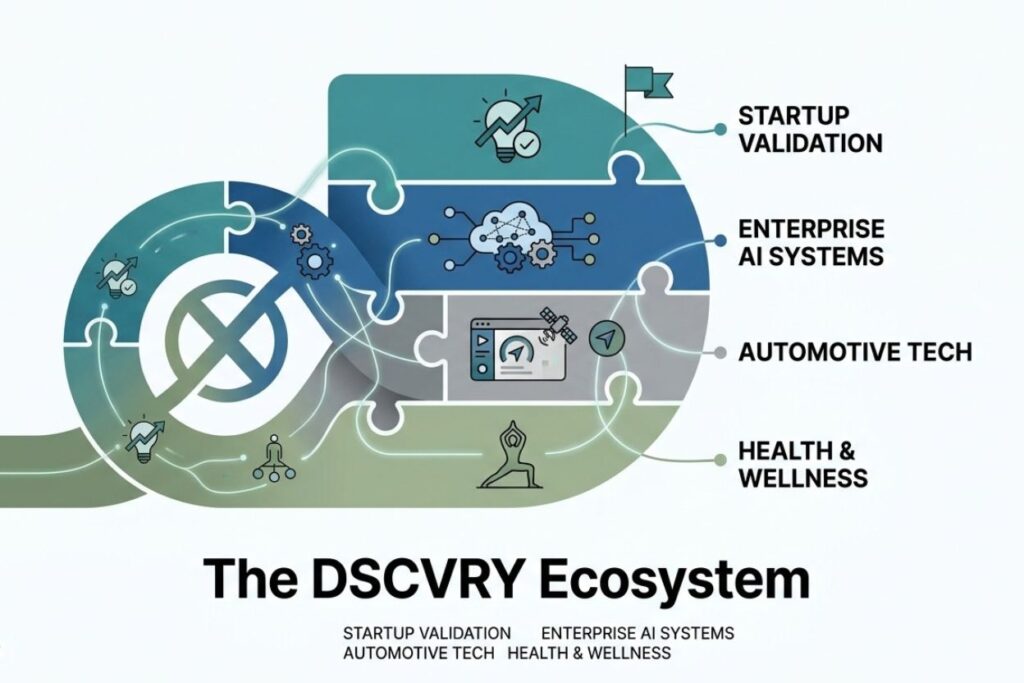
The concept of dscvry spans three major industries today. First, it powers startup validation platforms that help founders test market demand. Second, it drives enterprise artificial intelligence systems through advanced document automation. Third, it shapes physical health through specialized movement programs. Each sector applies this methodology to solve complex problems through structured methods.
Therefore, understanding how these systems operate requires examining each domain individually. Entrepreneurs use these frameworks to save time and capital. Meanwhile, enterprise companies adopt them to streamline complex operations.
2. dscvry in Startup Validation and Venture Building
In the startup accelerator world, dscvry refers to a validation platform designed to help founders identify market opportunities before committing capital. Building products without market demand remains the top reason startups fail, making rigorous problem identification essential.
Problem Discovery Over Product Building
Traditional product development often begins by designing a solution before verifying if a real problem exists. Therefore, modern validation methodology reverses this pattern by guiding entrepreneurs through continuous, structured research.
First, founders focus entirely on audience research. Next, they gather qualitative feedback through structured interviews. Finally, they build solutions based on verified market demand rather than assumptions.
The Four Steps of Venture Validation
- Target Customer Identification: Founders map specific user demographics and operational pain points first.
- Deep Problem Discovery: Teams conduct structured interviews to uncover true user needs without bias.
- Hypothesis Testing: Founders test core business assumptions through rapid micro-experiments.
- Data-Backed MVP Launch: Teams build a minimum viable product only after data proves real demand.
Core Elements of the Validation Framework
- Target Customer Definition: Mapping specific user demographics and operational pain points clearly.
- Customer Interview Structuring: Eliminating confirmation bias by asking open-ended questions about past user behaviors.
- Problem Severity Scoring: Rating how severely a pain point impacts a user’s daily workflow or business budget.
- Data-Backed MVP Decisions: Determining whether to build, pivot, or abandon an idea based on evidence.
3. Advanced Artificial Intelligence and Document Intelligence
In enterprise technology, dscvry represents advanced systems engineering tailored for processing complex unstructured data. Modern businesses manage huge amounts of legal filings, compliance records, and operational logs that require quick, precise extraction.
| Operational Focus | Legacy Workflow | Modern Automated Workflow |
| Document Processing | Manual data entry & reading | Automated semantic extraction |
| Compliance Auditing | Sample-based spot checks | Real-time continuous analysis |
| Data Extraction Accuracy | High human error potential | Structured model validation |
| Speed to Deployment | Weeks of operational review | Instant automated output |
Autonomous Document Processing
Enterprise platforms built under this architecture use artificial intelligence models to organize unstructured documents into actionable data streams. Furthermore, these systems parse contracts, medical reports, and financial files without manual human oversight.
For example, large legal firms use automated extraction to analyze thousands of contracts simultaneously. Similarly, healthcare providers process patient records in seconds rather than hours.
Regulatory and Compliance Systems
As global regulations grow more complex, companies use specialized infrastructure to review operations in real time. Consequently, automated compliance auditing helps organizations identify liability risks early, avoiding costly penalties and operational delays.
In addition, smart tracking monitors changing regional laws automatically. Therefore, organizations remain fully compliant without expanding their manual auditing teams.
4. dscvry in Automotive Infotainment Systems
In vehicle manufacturing and the secondary automotive market, dscvry is a common shorthand for “Discover” navigation and media systems, most notably used across Volkswagen Group vehicles.
Core Components of the Vehicle Media Suite
- Audio and Streaming Media: Integrated radio, Bluetooth playback, and digital sound streaming tools.
- Smartphone Integration: Full support for wireless Apple CarPlay and Android Auto platforms.
- On-Board Navigation: High-resolution satellite mapping that functions independently without mobile signal.
- Real-Time Diagnostics: Continuous monitoring of vehicle telemetry, tire pressure, and engine status.
Essential Features of Vehicle Systems
- On-Board Satellite Navigation: Integrated mapping systems providing route guidance without relying on mobile data.
- Smartphone Integration: Wireless Apple CarPlay and Android Auto connectivity for hands-free media playback and messaging.
- Vehicle Diagnostics: Real-time telemetry monitoring tire pressure, oil levels, and drive dynamics.
5. Movement Principles in Physical Health and Wellness
Outside of digital software, dscvry represents a specialized physical movement and rehabilitation philosophy, best known through body-mind wellness programs. Founded by experienced physiotherapists, this approach blends clinical treatment with systematic movement principles to resolve chronic pain.
The B.A.M. Movement Philosophy
- Breathing and Relaxation: This initial phase restores the nervous system to its optimal baseline state.
- Pelvic and Scapular Mobility: This middle phase stabilizes central body structures to relieve joint stress.
- Active Physical Exercise: This final phase builds lasting physical strength and prevents recurring injuries.
Core Philosophy of Movement Recovery
- Addressing Cause Over Symptom: Rather than offering temporary relief, clinical movement focuses on structural imbalances that drive physical pain.
- Integrative Body Control: Combining targeted joint mobilization, breathing techniques, and active posture exercises.
- Long-Term Joint Protection: Educating individuals on proper biomechanics during daily tasks to protect joints over time.
6. Key Takeaways Across All Systems
Regardless of the specific domain, every platform using the dscvry brand focuses on clear structural frameworks and measurable outcomes.
- In entrepreneurship, structured validation replaces guesswork with verified market evidence.
- In enterprise tech, automated intelligence turns messy unstructured documentation into organized data.
- In automotive systems, integrated dashboards keep drivers connected safely on the road.
- In health and wellness, clinical biomechanics restore natural physical movement and eliminate pain.
