



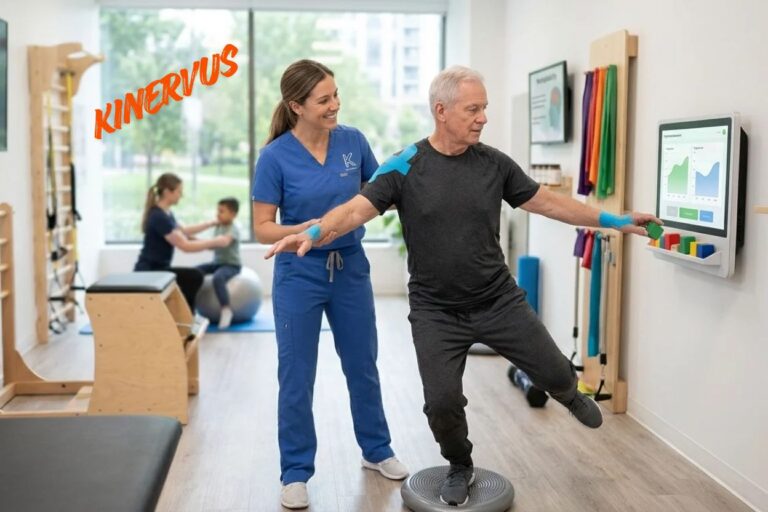
Health care and personal wellness are changing fast today. Therefore, modern people always look for complete solutions that support physical strength, active rehabilitation, and sharp mental focus. The name kinervus stands out as a unique concept across two main areas of health, including specialized physical therapy and cognitive wellness strategies.
Whether you are recovering from a nerve condition, seeking motor skill support for a child, or searching for safe ways to increase daily focus, understanding how targeted therapies work together provides a clear path forward. This complete guide breaks down everything about kinervus, detailing modern physical rehabilitation techniques, movement therapies, and smart habits for long-term brain performance.
Understanding Kinervus in Modern Healthcare
The term kinervus blends ideas from body movement and nervous system health. Consequently, it represents a unified model where physical muscle movement and brain functions support each other directly.
In modern clinical practice, physical therapy goes far beyond basic exercise routines. Instead, it serves as a carefully planned process that retrains the central nervous system, repairs damaged movement patterns, and helps people regain complete independence after an illness or injury. At the same time, the broader wellness industry focuses heavily on natural methods to protect memory, boost daily energy, and sharpen focus. Joining these ideas together creates a balanced strategy for lifelong physical and mental vitality.
The Connection Between Physical Exercise and Mind Health
Physical movement directly influences how your brain functions on a daily basis. For example, regular aerobic exercise increases heart rate and pumps fresh oxygenated blood directly into your brain cells. As a result, this process triggers the release of special proteins that stimulate new neural connections.
Furthermore, complex movement patterns require active concentration and balance. When you practice precise physical exercises, you force your brain to create new communication pathways. Therefore, combining structured physical activity with targeted mental routines yields the best overall health outcomes.
Why Integrated Rehabilitation Matters Today
Traditional healthcare often separated physical care from cognitive wellness. However, modern research shows that both systems work best when treated together simultaneously.
In addition, addressing physical stiffness alongside mental fatigue helps patients recover much faster. Consequently, modern therapy plans now combine physical exercises with brain training games, stress management tools, and proper nutritional support.
Core Specialized Physical Therapy Services
Targeted physical therapy plays an essential role in treating injuries and managing chronic health conditions. Specifically, clinical settings focus on personalized rehabilitation plans tailored to each individual patient.
Neurological Rehabilitation and Recovery
The human nervous system possesses a remarkable capacity to adapt, which experts call neuroplasticity. When an individual experiences a stroke or neurological condition, dedicated rehabilitation helps rewire neural pathways to restore lost physical abilities.
Key Neurological Recovery Pillars
- Repetitive Motion Drills: Focuses on rewiring neural pathways through consistent practice.
- Balance and Spatial Exercises: Prevents falls and improves overall physical stability.
- Adaptive Strength Training: Preserves existing muscle mass and strengthens weakened joints.
- Task-Specific Daily Practice: Builds functional independence for everyday activities.
Stroke Recovery Methods
Targeted movement training assists stroke survivors in regaining muscle control and fine movement coordination. For instance, repetitive motion tasks help rebuild muscle memory in affected arms and legs.
Parkinson’s Disease Management
Structured functional routines help reduce joint stiffness, improve walking stability, and manage tremor symptoms during everyday tasks. Therefore, patients can maintain their daily independence for much longer.
Multiple Sclerosis (MS) Support
Customized exercise plans help manage chronic fatigue, preserve muscle strength, and protect joint mobility over time. Furthermore, regular light resistance exercises prevent muscle wasting without overheating the body.
Traumatic Brain Injury Care
Guided movement drills gradually rebuild spatial awareness, core balance, and motor reflex control. Consequently, patients learn to navigate their surrounding environments safely and confidently.
Pediatric Physiotherapy and Motor Development
Children require specialized physical care tailored carefully to their growing bones, developing joints, and expanding motor skills. Fortunately, pediatric physiotherapy provides gentle, supportive care to help children achieve critical developmental milestones.
Psychomotor Development Support
Specialized play exercises help young children improve overall body coordination, balance, and spatial perception. As a result, kids gain confidence during school sports and outdoor recreational activities.
Developmental Delay Interventions
Therapists offer guided physical activities for infants and toddlers who experience delays in sitting, crawling, or walking. In addition, early intervention helps correct minor physical issues before they turn into permanent problems.
Fine Motor Skill Enhancement
Targeted hand exercises focus on finger strength and dexterity. Consequently, tasks like holding pencils, using scissors, buttoning shirts, and writing clearly become much easier for growing children.
Pediatric Neurological Support
Therapists provide continuous physical management for children dealing with conditions like cerebral palsy. Indeed, regular stretching prevents joint tightness and promotes comfortable posture throughout childhood.
Targeted Physical Treatments and Movement Therapies
Modern clinical physical therapy utilizes various hands-on techniques to reduce tissue swelling, relieve chronic physical pain, and improve overall functional stability.
Manual Lymphatic Drainage Techniques
The lymphatic system serves as the body’s primary fluid balance and clearance network. When fluid builds up due to surgery or injury, specialized hands-on techniques offer fast, effective relief.
Using light, rhythmic skin strokes, trained therapists manually direct trapped fluid toward working lymph nodes. As a result, this specialized treatment speeds up soft tissue recovery, reduces swelling, and relieves localized pressure after medical procedures.
Key Benefits of Manual Lymphatic Drainage
- Rapid Swelling Reduction: Quickly lowers fluid accumulation in affected tissues.
- Enhanced Soft Tissue Healing: Promotes faster cellular repair after operations or injuries.
- Localized Pain Relief: Eases nerve pressure caused by fluid build-up.
- Gentle Nervous System Calming: Relaxes the autonomic system through rhythmic strokes.
The Vodder Method Explained
The Vodder method relies on precise circular skin movements without using heavy pressure. Therefore, it gently opens lymphatic vessels without causing tissue damage or pain.
Post-Surgical Applications
Patients recovering from major operations often experience severe localized swelling. Fortunately, manual drainage helps flush out cellular waste and encourages fresh blood circulation around healing surgical sites.
Kinesiotaping for Joint and Muscle Support
Kinesiotaping uses elastic, skin-friendly tape applied strategically across muscles, tendons, and joints. Unlike rigid athletic tape, elastic taping supports full joint mobility while delivering several key health benefits:
- Circulatory Support: The flexible tape gently lifts the skin, improving localized blood supply and lymphatic flow underneath.
- Pain Reduction: It reduces constant sensory pressure on sensitive pain receptors located within soft muscular tissues.
- Proprioceptive Feedback: The tape provides constant subtle touch feedback to help the brain monitor joint positions accurately.
- Muscle Stabilization: It supports weak or strained muscle groups without blocking natural physical movement.
Functional Group Exercise Programs
Group movement environments offer both physical health benefits and valuable social encouragement. Furthermore, structured group exercise plans allow individuals to build strength safely under professional clinical guidance.
Core+ Back Health Classes
These sessions focus on strengthening deep abdominal muscles, pelvic floor stability, and lower back support. Consequently, participants experience significantly less chronic back discomfort during long work hours.
Adaptive Non-Contact Boxing
This program combines safe punching combinations, quick footwork drills, and hand-eye coordination tasks. In addition, it helps individuals with neurological conditions improve physical agility, reaction speeds, and overall balance.
Flexibility and Mobility Groups
Guided stretching sessions help preserve joint range of motion and prevent muscle tightness in older adults. As a result, participants stay active, limber, and independent in their daily lives.
Cognitive Health and Brain Optimization
Alongside physical movement, maintaining clear focus, rapid memory recall, and high mental energy has become a major health goal today. The overall vision behind kinervus highlights how proper brain nourishment and clean daily habits optimize mental performance.
The Total Health Ecosystem
- Physical Movement Core: Covers neurological rehabilitation, pediatric development, and core functional strength.
- Interlinked System Connection: Physical activity directly boosts cognitive function, while mental health drives physical recovery.
- Brain Support System: Targets sharp focus, memory retention, stress management, and restorative sleep.
The Science of Cognitive Wellness
The human brain demands significant daily energy, consuming roughly 20 percent of your body’s total metabolic fuel. Therefore, protecting long-term cognitive stamina requires balanced nervous system nutrition, healthy blood circulation, and regular rest.
Modern brain wellness focuses on supporting key neurotransmitters, which act as chemical messengers carrying signals across brain cells. When acetylcholine, dopamine, and GABA levels remain balanced, you experience better daily focus, calmer stress responses, and improved learning capacity.
Key Ingredients for Daily Focus
Research into natural botanicals and nutritional compounds reveals several options that support long-term brain health and daily productivity:
- Lion’s Mane Mushroom: Supports nerve growth factors involved in brain cell maintenance and memory formation.
- Bacopa Monnieri: Increases signal transmission speeds across brain synapses, improving learning recall.
- L-Theanine: Promotes relaxed mental alertness without causing drowsiness or sudden energy crashes.
- Rhodiola Rosea: Helps regulate stress hormones like cortisol during periods of heavy mental or physical exertion.
- Ginkgo Biloba: Supports healthy blood flow and oxygen delivery to vital brain tissues.
- Alpha-GPC: Supplies raw choline required for acetylcholine production, boosting daily mental processing speed.
| Nutrient Compound | Primary Focus Area | Mechanism of Action |
| Lion’s Mane | Memory & Repair | Stimulates Nerve Growth Factor (NGF) synthesis. |
| L-Theanine | Calm Alertness | Increases alpha brainwave activity smoothly. |
| Bacopa Monnieri | Processing Speed | Enhances synaptic communication pathways. |
| Rhodiola Rosea | Stress Control | Modulates adrenal response to chronic fatigue. |
Essential Daily Habits for Total Body Vitality
Nutritional supplements and physical therapy sessions work best when built upon a foundation of healthy daily lifestyle choices. Integrating core daily habits ensures long-term physical mobility and sharp mental focus.
Core Daily Foundation Practices
- Restorative Sleep: Getting 7 to 9 hours of uninterrupted rest every night.
- Consistent Movement: Engaging in at least 30 minutes of physical activity daily.
- Targeted Nutrition: Consuming anti-inflammatory whole foods and staying hydrated.
- Stress Recovery: Practicing daily mindfulness and deep breathing exercises.
1. Prioritize Deep Restorative Sleep
Sleep serves as the brain’s main housekeeping phase. During deep sleep stages, your brain clears out metabolic waste products that accumulate during waking hours. Therefore, aim for seven to nine hours of quality sleep nightly to preserve memory consolidation and keep muscle recovery on track.
2. Maintain Daily Physical Activity
Regular movement increases blood flow throughout your entire body, delivering fresh oxygen directly to brain tissues. Simple activities like brisk walking, light swimming, cycling, or weight training stimulate nerve growth factors that keep your brain sharp and your joints supple.
3. Eat a Nutrient-Dense Diet
A wholesome diet rich in leafy greens, berries, healthy fats, lean proteins, and whole grains supplies essential antioxidants. Consequently, these nutrients protect your cells from stress, support neural membranes, and keep your muscles strong.
4. Practice Active Stress Management
Chronic emotional stress raises cortisol levels, which can disrupt sleep, weaken immune function, and impair memory retention over time. Fortunately, simple practices like deep breathing, meditation, or short outdoor walks help restore autonomic nervous system balance quickly.
Step-by-Step Recovery and Fitness Blueprint
Whether you are rehabilitating a physical injury or looking to sharpen daily work focus, following a structured approach leads to consistent progress over time.
Phase 1: Comprehensive Initial Evaluation
Begin by consulting qualified healthcare professionals or licensed physical therapists. An expert evaluation identifies specific movement limitations, muscle imbalances, joint range restrictions, or daily cognitive stressors that require direct attention.
Phase 2: Targeted Therapeutic Intervention
Engage actively in individualized rehabilitation routines, such as neurological therapy, pediatric developmental support, or manual lymphatic drainage. Consistency during this phase rebuilds motor control, reduces tissue swelling, and manages physical pain effectively.
Phase 3: Nutritional and Lifestyle Integration
Introduce anti-inflammatory foods alongside evidence-backed brain health compounds like L-theanine or Lion’s Mane. Furthermore, maintain steady daily hydration and establish regular sleep routines to allow body tissues to repair smoothly.
Phase 4: Long-Term Maintenance and Group Activity
Transition into supportive group physical programs like Core+ posture training or functional boxing exercises. Keep challenging your mind with continuous learning and maintain healthy movement habits to protect your long-term health.
Preparing for Your Rehabilitation Sessions
Starting a new physical therapy program requires simple preparation to ensure a smooth, effective clinical experience.
Gather Medical Documentation
Keep relevant doctor prescriptions, recent medical imaging reports, and current medication lists organized in one folder. Consequently, your clinical team can review your medical history without unnecessary delays.
Choose Appropriate Clothing
Wear loose, breathable athletic clothing and supportive running shoes to allow full joint movement during exercises. Proper attire ensures that your therapist can evaluate your movement patterns accurately.
Set Clear Recovery Goals
Write down clear, personal recovery targets before your first visit. For instance, you might aim to walk unassisted, improve handwriting clarity, or manage back discomfort during work hours.
By combining expert clinical physical care with smart daily nutrition, consistent movement, and structured stress management, achieving physical strength and mental clarity remains well within reach. Emphasizing both body and brain support through the unified vision of kinervus ensures long-term health and vitality at every stage of life.
