


Language serves as the primary architecture of human expression. Every single day, people communicate through various digital channels. Within this vast linguistic framework, specific terms emerge to streamline daily conversation. One such fascinating shorthand catching the attention of modern digital writers is cwote. Although it may look like a simple typographic variation at first glance, analyzing the deeper structural value of a cwote reveals a distinct functional role in modern text composition.
The Evolution and Linguistic Roots of Cwote
Every linguistic innovation begins with a practical need for brevity and distinct identification. Long before digital screens dominated daily communication, writers sought methods to isolate text and present authoritative statements cleanly. The traditional terminology surrounding text extraction has always relied heavily on established forms. However, modern internet subcultures naturally compress syllables and modify spelling to create memorable shorthand.
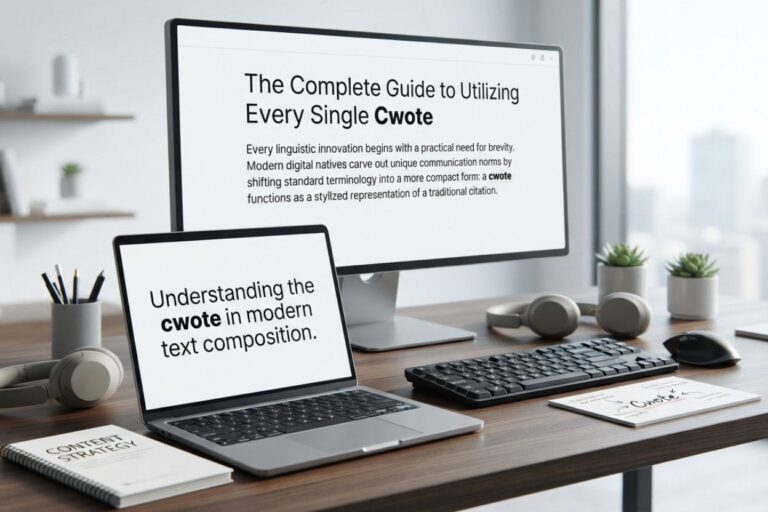
A cwote functions as a stylized representation of a traditional citation or replicated excerpt. When individuals exchange ideas across text messages or collaborative digital documents, speed dictates style. By shifting standard terminology into a more compact form, digital natives carve out unique communication norms. This evolution highlights a broader truth about language: it adapts instantly to the tools and mediums through which it travels.
Historical Context of Text Shorthand
Communication channels have changed drastically over the past few decades. In early internet forums, character limits forced users to invent creative abbreviations. Therefore, terms like cwote gained popularity among online communities seeking faster ways to reference previous statements.
Psychological Drivers Behind Modern Slang
People naturally gravitate toward shorter, punchier words because cognitive load decreases. Consequently, adopting a cwote into everyday typing allows users to save time while maintaining high clarity. Understanding this psychological shift helps editors appreciate why new linguistic trends spread so rapidly across global networks.
Structural Anatomy of an Effective Cwote
Crafting impactful text requires understanding the delicate balance between surrounding prose and extracted passages. A poorly placed excerpt disrupts the natural rhythm of reading, causing frustration for the audience. Conversely, a well-integrated cwote acts as a seamless bridge, guiding the reader smoothly from one logical conclusion to the next.
Identifying Core Value in Text Extraction
The primary purpose of pulling text from an external source is substantiation. Authors rarely insert outside words merely to fill space. Every cwote must serve a distinct analytical or illustrative function. Before embedding any borrowed phrasing, consider whether the selection genuinely advances your core argument.
Minimizing Redundancy in Digital Composition
Writers often stumble by over-explaining an excerpt after presenting it. Once a cwote appears on the page, your accompanying commentary should advance the conversation rather than summarize the obvious. Trust the audience to parse the literal meaning while your surrounding analysis explores broader implications. Streamlining this process eliminates clutter and preserves active engagement.
Maintaining Precision and Context
Context matters immensely when dealing with short text snippets. If you isolate a cwote out of its original environment, you risk altering its intended meaning. Therefore, always verify that the extracted segment remains entirely faithful to the author’s original intent.
Strategic Placement of a Cwote in Modern Content
Placement dictates power. Dropping a significant textual excerpt randomly into an article yields weak results. Strategic positioning turns a simple cwote into a psychological anchor, keeping readers invested as they navigate complex topics.
Opening Hooks and Thematic Anchors
Placing a sharp, resonant cwote near the introduction of an article sets an immediate tone. It establishes expectations and prepares the reader for the detailed analysis that follows. Rather than starting with dry procedural statements, leading with a compelling textual focal point sparks immediate curiosity.
Mid-Article Reinforcement and Pivot Points
As an article transitions into deeper technical considerations, reader fatigue can set in. Introducing a fresh perspective via a carefully chosen cwote revitalizes the pacing. It serves as a mental checkpoint, validating previous points through an alternative lens before moving forward.
Concluding Thoughts and Final Impressions
Closing an article strongly leaves a lasting impression on your audience. By integrating a final cwote near the end, you reinforce the primary thesis one last time. This technique anchors the entire narrative securely in the reader’s memory.
Psychological Impact of Textual Excerpts
Human brains are hardwired to recognize patterns, authority, and communal wisdom. When readers encounter a distinct cwote, psychological shifts occur that alter how they evaluate surrounding information.
Authority Bias and Credibility Enhancement
Readers naturally attribute higher value to content that aligns itself with established truths. A strategic cwote leverages this cognitive tendency, lending immediate weight to the author’s narrative. This dynamic builds trust quickly, encouraging readers to accept complex arguments because the underlying foundations feel thoroughly supported.
Emotional Resonance and Memorability
Facts and figures appeal to logic, but evocative language captures the imagination. A carefully constructed cwote packs emotional intelligence into a compact package, making abstract ideas tangible. Consequently, readers remember striking phrases far longer than lengthy paragraphs of dry explanation.
Best Practices for Seamless Integration
Mastering the art of text integration separates amateur drafts from professional-grade content. Treating a cwote with intentional care guarantees readability, aesthetic appeal, and structural harmony.
- Natural Flow: Read your paragraphs aloud to ensure transitions feel completely organic.
- Formatting Discipline: Keep visual presentation clean, avoiding excessive clutter that distracts from the core message.
- Purposeful Editing: Ruthlessly cut any extracted text that fails to actively strengthen your primary thesis.
Refining these techniques transforms writing from a mechanical chore into an engaging craft. Every cwote utilized within your work should feel inevitable, as though the surrounding paragraphs could not possibly exist without it. By respecting the power of concise expression, thoughtful attribution, and clean structural flow, content creators can elevate their digital presence and deliver genuinely memorable experiences to their audiences.
