
Modern corporate landscapes experience rapid shifts every single day. Therefore, organizations constantly look for smarter tools to streamline operations. Within this evolving framework, hrmtaila has emerged as a crucial topic. Intelligent automation helps teams eliminate manual tasks quickly. Furthermore, understanding hrmtaila helps leaders build more efficient workplace systems.
Understanding the Core Concept of HRMtaila
Modern corporate environments face mounting pressure to upgrade daily workflows. Consequently, traditional management departments frequently drown in heavy paperwork.
Overcoming Manual Challenges
Manual spreadsheets usually cause unexpected operational errors. In addition, tracking attendance manually consumes precious office hours. However, hrmtaila represents the perfect mix of modern tools and strategic operations. By centralizing essential operational data, organizations can easily reduce daily friction. Therefore, employees enjoy a much clearer workplace environment.
Shifting to Strategic Planning
The integration of smart technology allows teams to move away from reactive firefighting. Instead, leaders focus on high-level goals. When routine tasks run smoothly through digital infrastructure, managers build better team relationships. In addition, leadership teams leverage these frameworks to analyze productivity trends effectively. As a result, businesses maintain high compliance across shifting labor laws.
The Growing Need for Intelligent Automation
Workforce administration involves countless repetitive tasks that waste valuable hours. For example, processing leave requests manually takes up significant manager time.
Streamlining Administrative Tasks
Verifying timesheets and updating contact details often cause administrative delays. Fortunately, hrmtaila addresses these bottlenecks by introducing systematic automation. Automated workflows ensure that standard procedures execute smoothly without human oversight gaps.
Improving Communication Pipelines
When a staff member submits a request, smart systems route it instantly. Therefore, supervisors can review and approve requests without delays. Once approved, digital calendars update automatically. Consequently, this seamless synchronization prevents scheduling conflicts across all active teams.
Transforming Recruitment and Talent Acquisition
Finding the right talent remains a primary driver of long-term business success. However, traditional hiring processes are notoriously slow and expensive.
Accelerating Resume Screening
Reviewing hundreds of resumes manually increases human fatigue significantly. Furthermore, hiring managers might miss great candidates due to time constraints. Fortunately, hrmtaila emphasizes candidate selection through organized data pipelines.
The Modern HRMtaila Workflow Stage by Stage
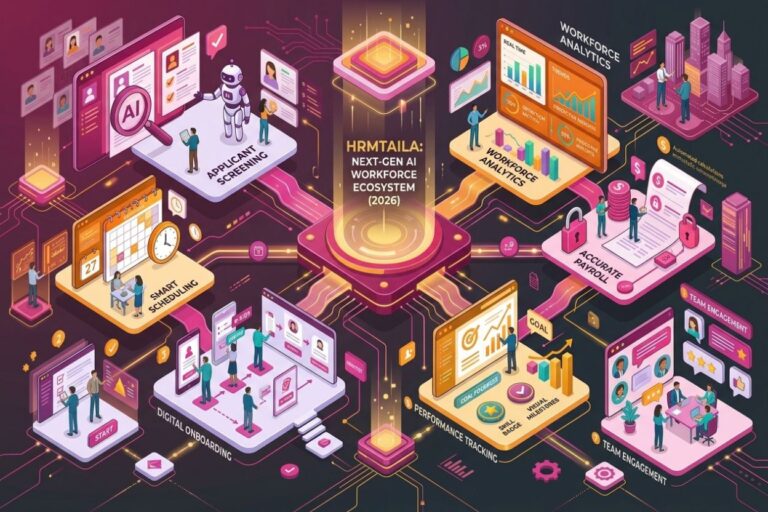
- Candidate Application Stage: The system performs automated resume parsing and initial skill screening to filter applications instantly.
- Automated Interview Scheduling: The platform manages calendar synchronization and sends direct automated reminders to all participants.
- Digital Onboarding Portal: New hires sign documents electronically and complete pre-scheduled orientation sessions smoothly.
- Continuous Performance Monitoring: Management tracks real-time data through interactive dashboards and provides continuous employee feedback.
Enhancing Candidate Experience
Advanced recruitment workflows help hiring managers sort incoming applications easily. For example, screening tools flag top applicants based on specific skill parameters. As a result, recruiters engage promising talent before competitors step in. In addition, automated scheduling tools coordinate interview times effortlessly. Thus, companies drastically reduce their overall time-to-hire metrics.
Streamlining Onboarding Processes for New Hires
First impressions matter immensely when welcoming new talent to your company. Conversely, a disjointed onboarding experience leaves new hires feeling confused.
Creating Clear Onboarding Pathways
Structured integration pathways introduce new team members to their roles smoothly. Therefore, hrmtaila frameworks prioritize well-organized onboarding paths. New employees receive access to essential accounts right on their first day. In addition, policy handbooks and training modules deliver immediate guidance.
Boosting Early Productivity
Accelerated training helps staff members contribute meaningfully from day one. Furthermore, digital checklists keep everyone aligned during the first week. As a result, new hires feel confident in their new responsibilities immediately.
Enhancing Workforce Analytics and Business Decisions
Intuition alone is no longer enough for steering growing organizations successfully. Instead, modern leaders need accurate, real-time insights regarding employee performance.
Utilizing Data Dashboards
Data dashboards aggregate information across various operational pillars efficiently. Therefore, hrmtaila highlights the importance of leveraging comprehensive analytics. For instance, patterns of excessive overtime might indicate understaffing issues.
Essential Analytics and Business Impact Metrics
- Overtime Patterns: This metric identifies potential employee burnout and highlights underlying staffing gaps within departments.
- Turnover Risks: This metric provides critical data to guide proactive talent retention strategies before key employees resign.
- Skill Assessments: This metric directs internal training budgets to specific areas that require immediate skill improvement.
- Engagement Scores: This metric helps management measure overall employee satisfaction and make informed improvements to company culture.
Proactive Resource Allocation
Managers can intervene quickly before team burnout actually occurs. In addition, translating raw data into actionable intelligence improves long-term strategy. Consequently, businesses make smarter choices regarding professional development investments.
Optimizing Payroll Accuracy and Financial Compliance
Payroll administration represents a very sensitive function within any growing enterprise. Even minor calculation errors can severely damage employee trust.
Preventing Calculation Errors
Errors regarding tax withholdings or overtime hours create serious frustration. Moreover, compliance mistakes lead to costly regulatory penalties. Therefore, hrmtaila principles stress the necessity of rigorous accuracy. Modern payroll tools handle complex calculations automatically.
Maintaining Secure Financial Logs
Centralized digital systems generate direct payments securely every single month. Furthermore, these tools maintain clear audit trails for every transaction. Consequently, precise record-keeping protects the organization against steep compliance fines. In addition, staff members receive their correct compensation right on time.
Supporting Continuous Performance Management
Annual performance reviews often feel like outdated administrative exercises. In contrast, employees require continuous feedback to refine their skills properly.
Dynamic Progress Tracking
Transparent goal-setting applications allow teams to establish quarterly objectives easily. Therefore, hrmtaila concepts encourage dynamic performance tracking over rigid annual evaluations. Visual indicators show team progress in real time.
Understanding the Continuous Feedback Cycle
The continuous feedback cycle starts when leaders set clear goals with their teams. Next, management tracks real-time progress through intuitive monitoring tools. Following this, supervisors conduct regular check-ins to discuss performance and address obstacles. Finally, leadership adjusts overall operational strategy based on real performance data before restarting the cycle.
Fostering Employee Engagement
Regular check-ins foster open communication between managers and staff. Furthermore, leaders can identify skill gaps early and offer targeted training. As a result, continuous professional development cultivates stronger employee engagement and loyalty.
Elevating Employee Engagement and Retention
Keeping top talent requires more than just competitive compensation packages. In fact, workplace culture and clear communication play massive roles in retention.
Building Open Communication Channels
Digital portals allow employees to share direct feedback with leadership effortlessly. Consequently, management can address workplace concerns before they turn into larger problems. Furthermore, hrmtaila strategies emphasize continuous recognition programs.
Recognizing Outstanding Contributions
When managers acknowledge good work promptly, team morale rises significantly. In addition, peer-to-peer recognition tools make appreciation a natural part of daily work. Therefore, staff members feel truly valued for their daily contributions.
Managing Hybrid and Remote Workforces Efficiently
Remote and hybrid work models have transformed modern employment structures completely. However, managing distributed teams creates unique operational challenges for managers.
Centralizing Remote Operations
Keeping remote employees aligned requires robust digital architecture and clear guidelines. Fortunately, hrmtaila systems integrate remote time-tracking and collaborative task boards seamlessly. Therefore, team members stay connected regardless of their physical location.
Core Architecture for Distributed Workforces
A centralized digital portal connects remote workers to critical cloud file access securely. Furthermore, this system incorporates virtual time-tracking features to record working hours accurately. Finally, team members use collaborative task boards to keep project milestones fully visible across distributed locations.
Maintaining Accountability and Flexibility
Automated check-ins help managers monitor ongoing project status without micromanaging. Furthermore, flexible scheduling tools ensure fair workload distribution across time zones. Consequently, remote teams maintain exceptionally high productivity levels.
Addressing Data Security and Ethical Considerations
Handling sensitive personal and financial data demands strict security standards. Employee records contain confidential details that require robust digital defense.
Implementing Strong Technical Defenses
Responsible management frameworks implement strict role-based access controls. In addition, multi-factor authentication protocols protect sensitive employee files from breach risks. Advanced encryption secures data stored in cloud repositories effectively.
Modern Data Security Framework Components
- Role-Based Access Controls (RBAC): Restricts employee data access strictly to authorized personnel based on job role.
- Multi-Factor Authentication (MFA): Requires multiple verification steps to stop unauthorized account access attempts.
- End-to-End Encryption: Protects all confidential employee records both while stored and while moving across networks.
- Regular Automated Compliance Audits: Conducts continuous automated checks to verify adherence to privacy standards.
Maintaining Ethical Standards
Organizations must navigate ethical considerations regarding automated tools very carefully. Therefore, modern hrmtaila guidelines ensure that technology assists human decision-makers transparently. Preserving fairness guarantees a respectful and trustworthy workplace culture overall.
Scaling Business Operations for Future Growth
As companies expand, their internal administrative requirements grow rapidly. Consequently, manual processes that worked for small teams fail under heavier workloads.
Building Scalable Workflows
Implementing scalable digital solutions ensures smooth expansion without administrative breakdown. Therefore, hrmtaila infrastructure adapts easily to increasing headcount. New branches or international teams integrate into existing systems smoothly.
Driving Long-Term Operational Efficiency
Scalable tools reduce the need to hire excessive administrative staff as you grow. Instead, existing teams manage larger operations with minimal friction. Thus, businesses achieve long-term sustainability while maintaining lean operations.
Key Steps to Implement HRMtaila Strategies
Transitioning to advanced workforce management systems requires careful planning. Without a clear implementation roadmap, organizations risk employee pushback and operational disruption.
Assessing Current Needs
First, evaluate your current administrative bottlenecks thoroughly. Identify which manual processes waste the most time each week. Consequently, you can prioritize which hrmtaila features to introduce first.
Four-Phase Implementation Roadmap
- Phase 1 – Needs Assessment: Identify key operational bottlenecks and assess manual administrative pain points across departments.
- Phase 2 – Platform Selection: Choose the right digital tools and execute secure data migration protocols carefully.
- Phase 3 – Team Training: Provide comprehensive staff training and launch an incremental rollout across the organization.
- Phase 4 – Optimization: Monitor system adoption metrics continuously and refine features based on real user feedback.
Choosing the Right Infrastructure
Next, select tools that align with your specific industry requirements. Ensure the software integrates smoothly with your existing accounting and communication platforms. Therefore, data flows across departments without manual re-entry.
Training and Supporting Your Team
Finally, provide comprehensive training for both managers and staff members. Clear guidance helps everyone adopt new software features quickly. As a result, your organization realizes the full benefits of hrmtaila without unnecessary delays.
Best Practices for Maximizing Efficiency
Adopting new software is only the first step toward true optimization. To gain the best results, companies must establish consistent administrative habits.
Keeping Systems Updated
Regular system updates ensure your platform benefits from the latest security patches. Furthermore, updated tools offer improved automation features over time. Therefore, schedule routine reviews of your hrmtaila setup to maintain peak performance.
Gathering Continuous User Feedback
Ask team members for regular feedback regarding system usability. If staff members struggle with specific features, offer refresher training sessions. Consequently, your operational tools remain user-friendly and highly effective for everyone.
Summary of Core Advantages
Adopting modern administrative frameworks transforms how companies operate daily. The following summary highlights the primary business benefits:
- Higher Productivity: Automated workflows eliminate time-consuming manual tasks.
- Improved Accuracy: Automated payroll and timekeeping prevent costly human errors.
- Better Compliance: Centralized records ensure full adherence to labor laws.
- Enhanced Retention: Continuous feedback cycles boost employee satisfaction.
- Data-Driven Strategy: Real-time analytics guide strategic business growth.
By focusing on these core areas, organizations build a strong foundation for future success.
Conclusion
The ongoing evolution of workplace technology demonstrates that administrative efficiency matters tremendously. Modern concepts associated with hrmtaila show how organizations optimize the entire employee lifecycle. By using smart automation and structured data analytics, businesses eliminate daily friction effectively. Furthermore, adopting hrmtaila methodologies safeguards compliance and empowers teams to succeed long term.
